On-Farm Weather Stations & Moisture Probe adoption
Far West Young Farmers – Drought Resilient Decision Making & Peer Learning Network
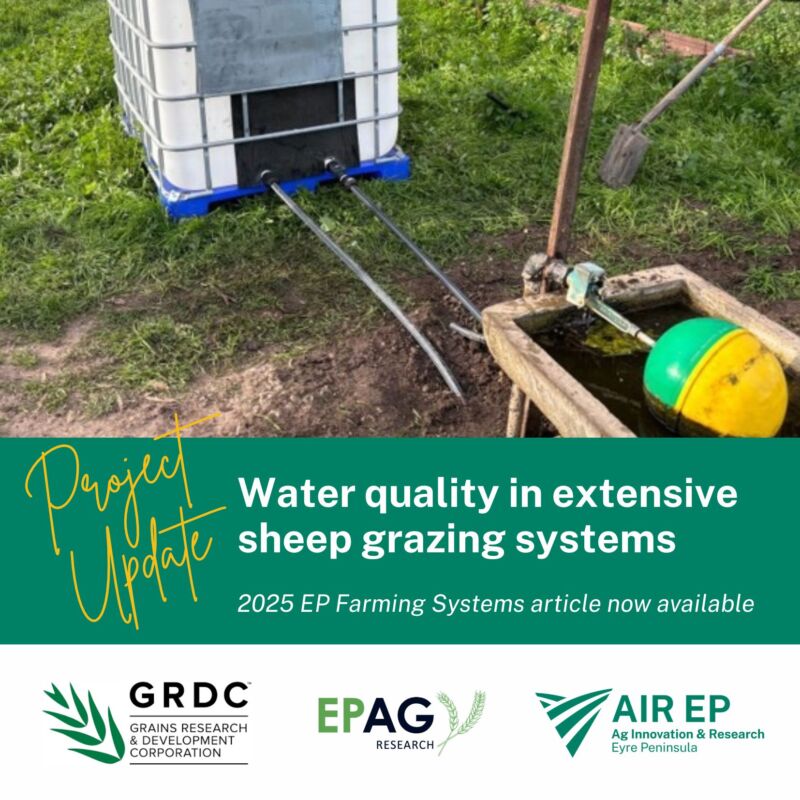
Water quality in extensive sheep grazing systems
RiskWi$e: Harvest reflections on seasonal forecasts and farm decisions
You’ve got the eID tags – now get the data working for you!
RiskWi$e: Webinar – Making fast harvest decisions, wisely
Sorry, there are no upcoming events.


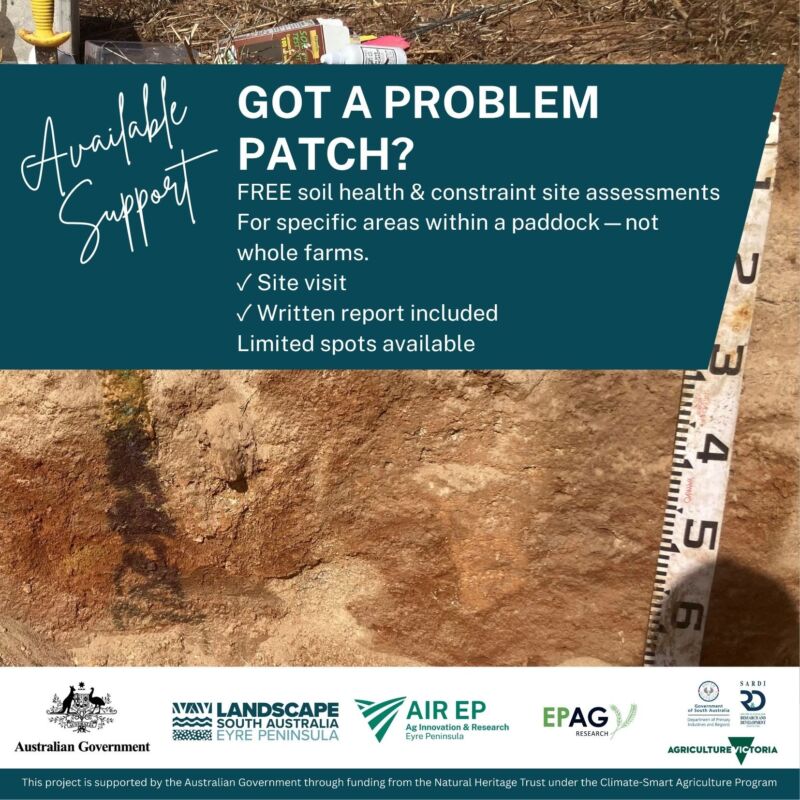
🌱 Got a patch of paddock that’s underperforming?
Limited places available for FREE soil health and constraint site assessments focused on specific areas within a paddock—not whole-farm assessments.
Contact Brett Masters 0427 899 328
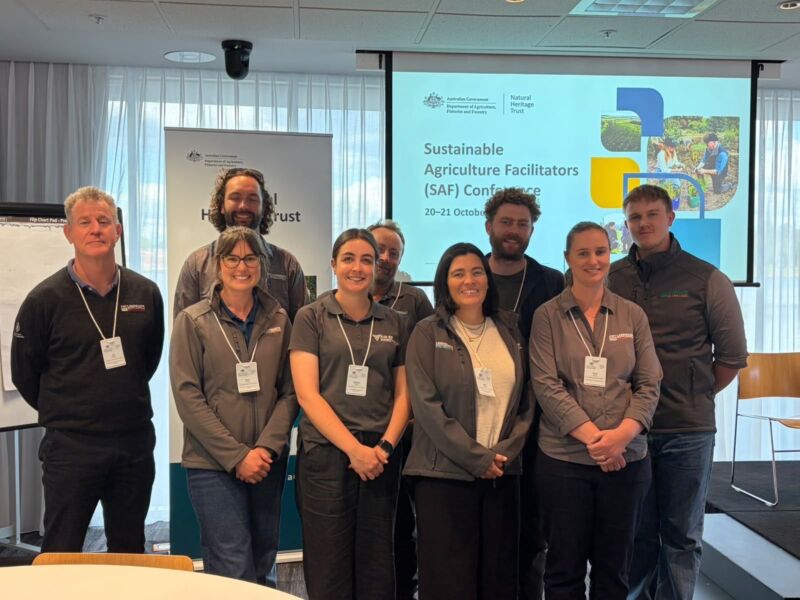
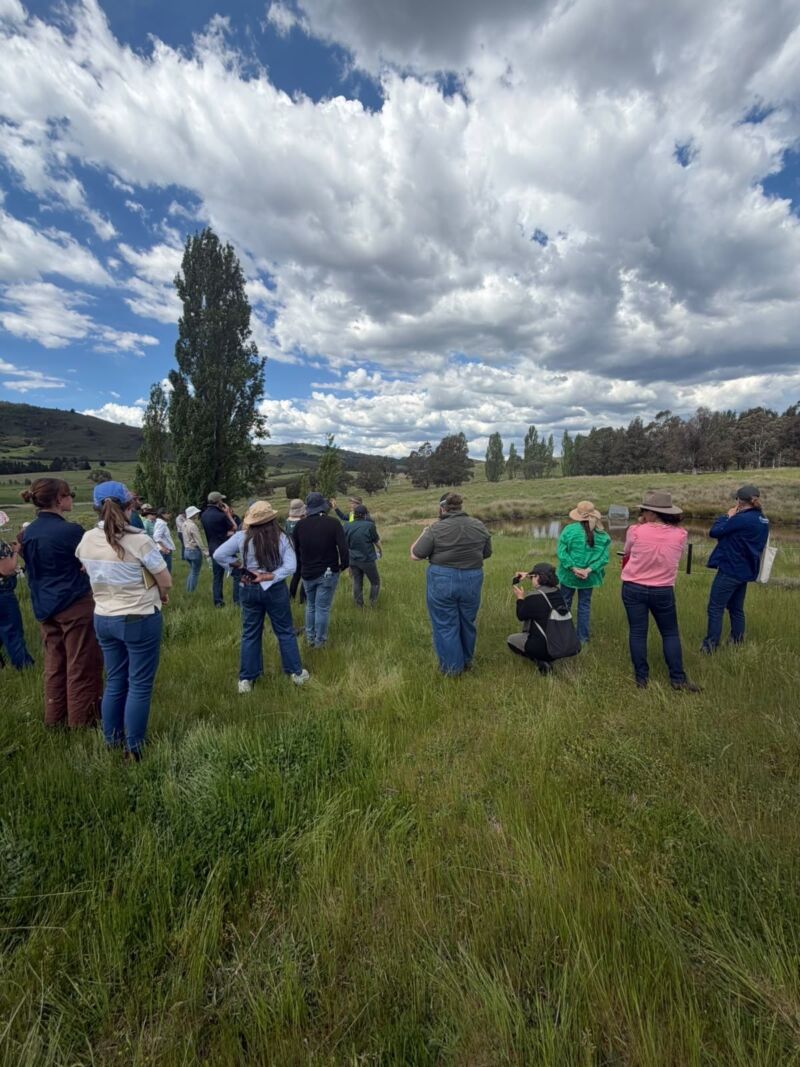
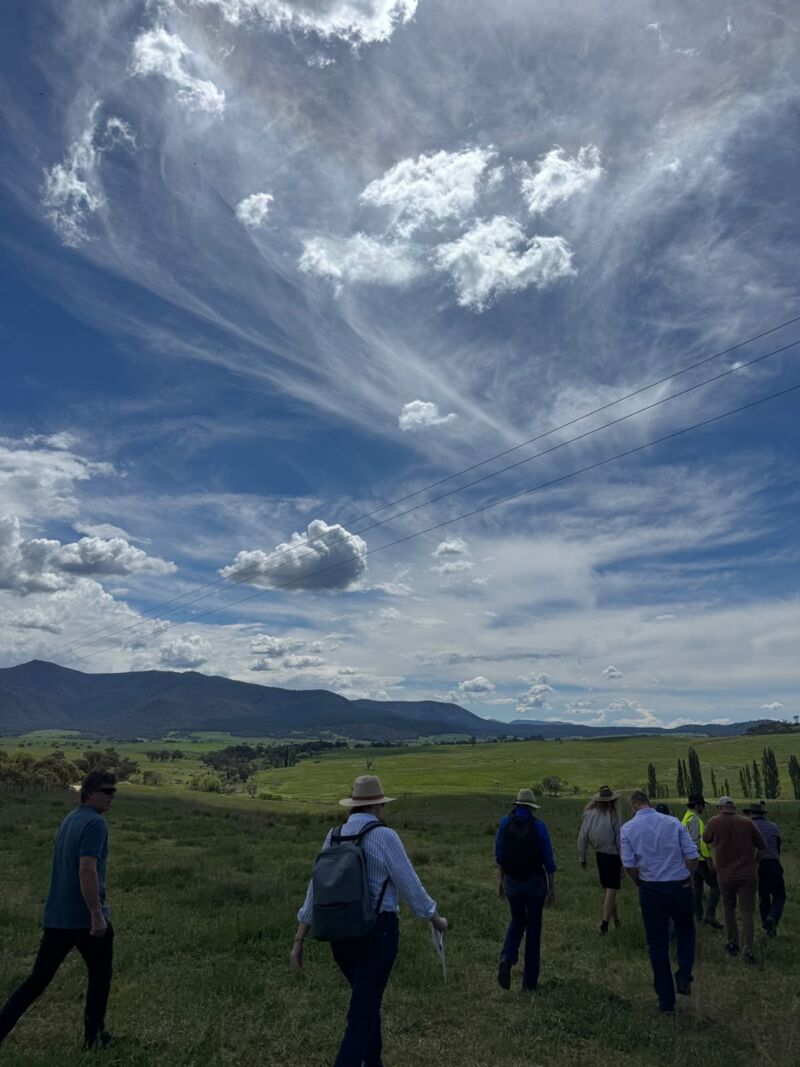
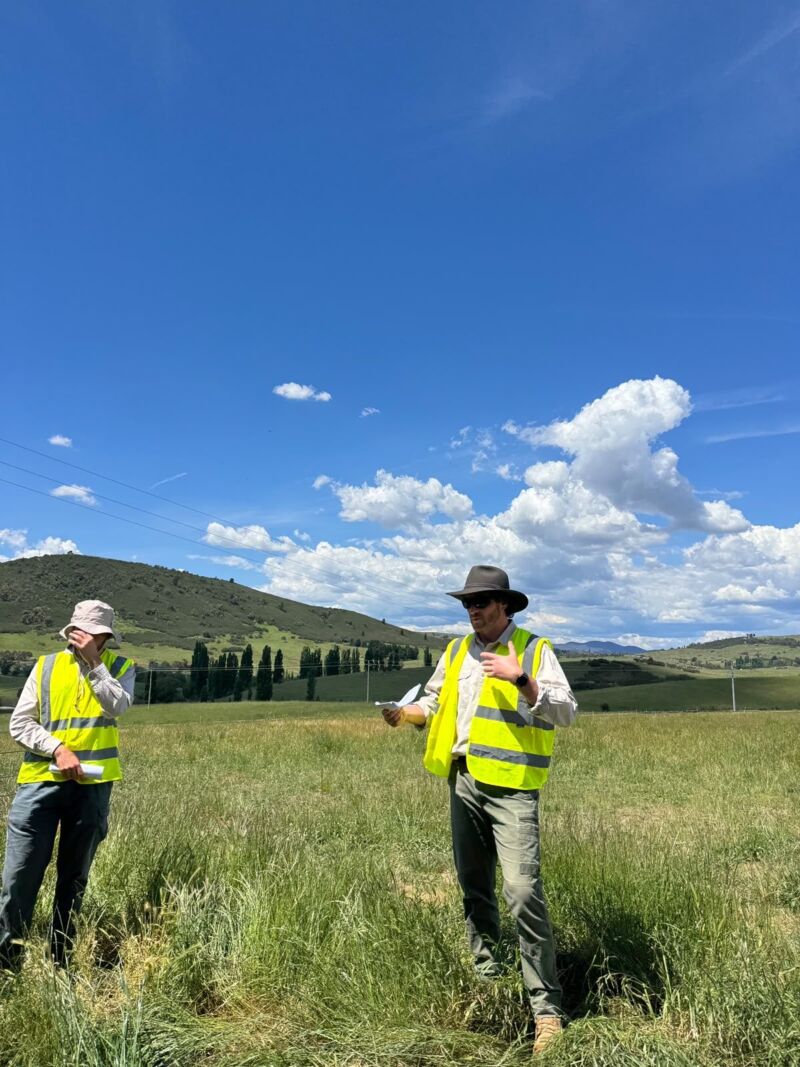
👩🌾 This week our Sustainable Ag Facilitators, Amy Wright and Bek Peters travelled to Canberra for the National Sustainable Ag Facilitator Conference.
🔗 Visit the Sus Ag project page for more info https://tr.ee/link/Srwrgq
@ag_eyre
#NationalHeritageTrust
@EPLandscapeSA
💧 Could better stock water quality improve livestock performance?
Early results from Minnipa are showing promising differences in ewe weight gain between treated and untreated water groups.
Read the article for full results and further information:
https://tr.ee/iGwaIy
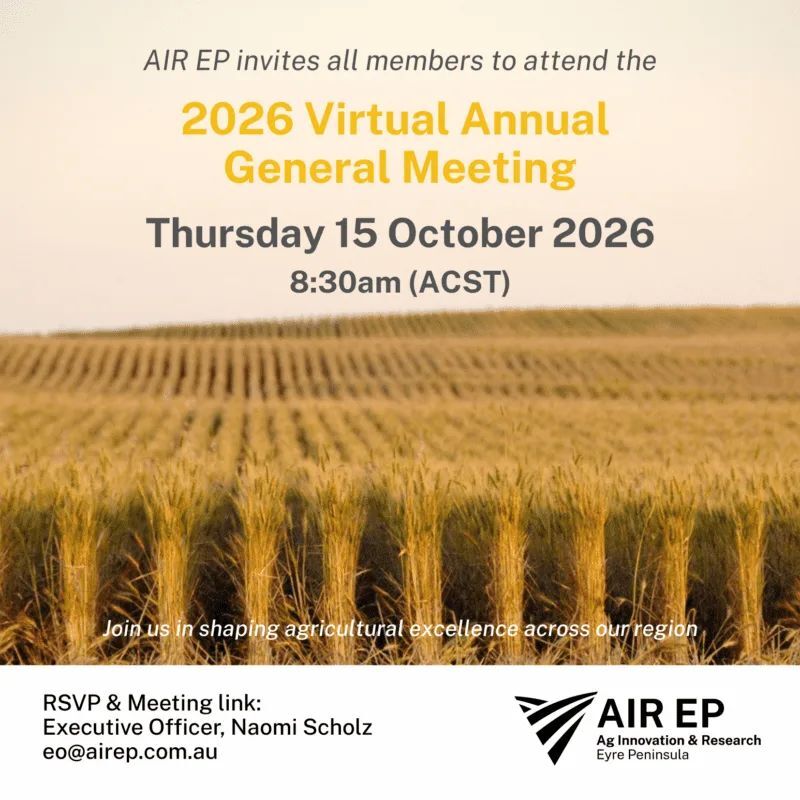
📢 Reminder | AIR EP Members AGM – 15 October 2026
A reminder to AIR EP members that the 2026 Annual General Meeting will be held online at 8:30am on Thursday 15 October.
🔗 To attend, please email AIR EP Executive Officer Naomi Scholz at [email protected] for the meeting link.
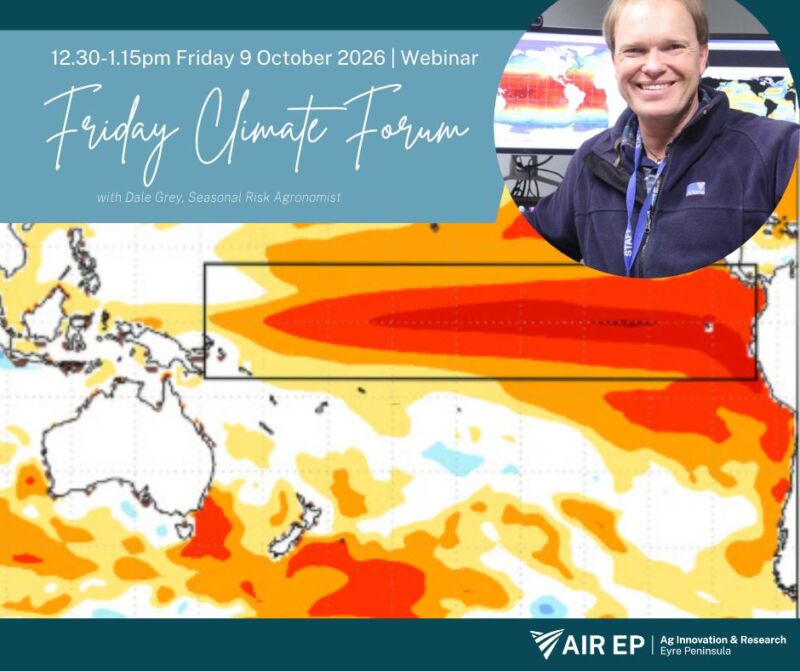
🌦️ What are the climate models telling us about the months ahead?
Join us for a seasonal climate update looking at the latest rainfall outlooks and climate model guidance for Eyre Peninsula.
📅 9 October 2026
⏰ 12.30pm - 1.15pm
💻 https://tr.ee/Q8MyA0
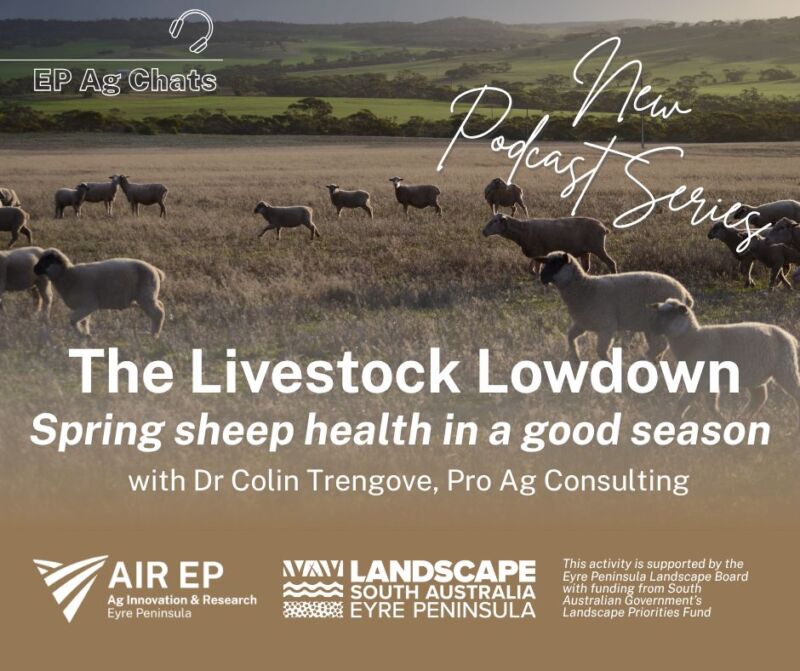
🎧 New podcast: The Livestock Lowdown. Vet Dr Colin Trengove joins AIR EP to discuss spring sheep health on Eyre Peninsula—worms, flystrike, ram checks and feed changes as harvest approaches.
Listen: https://tr.ee/PtL4JJ
@EPLandscapeSA
@ag_eyre
#LivestockLowdown
#SheepHealth