Event Recap | 2025 Lower EP Crop Walk
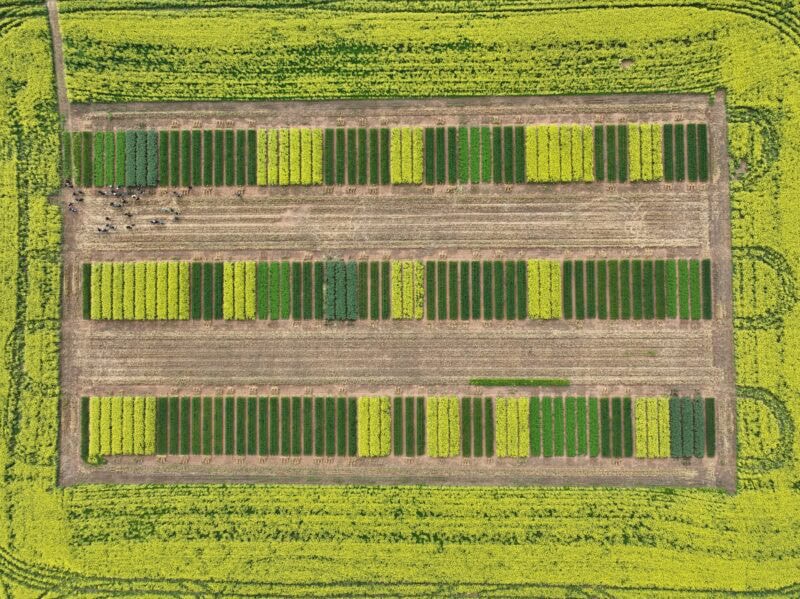
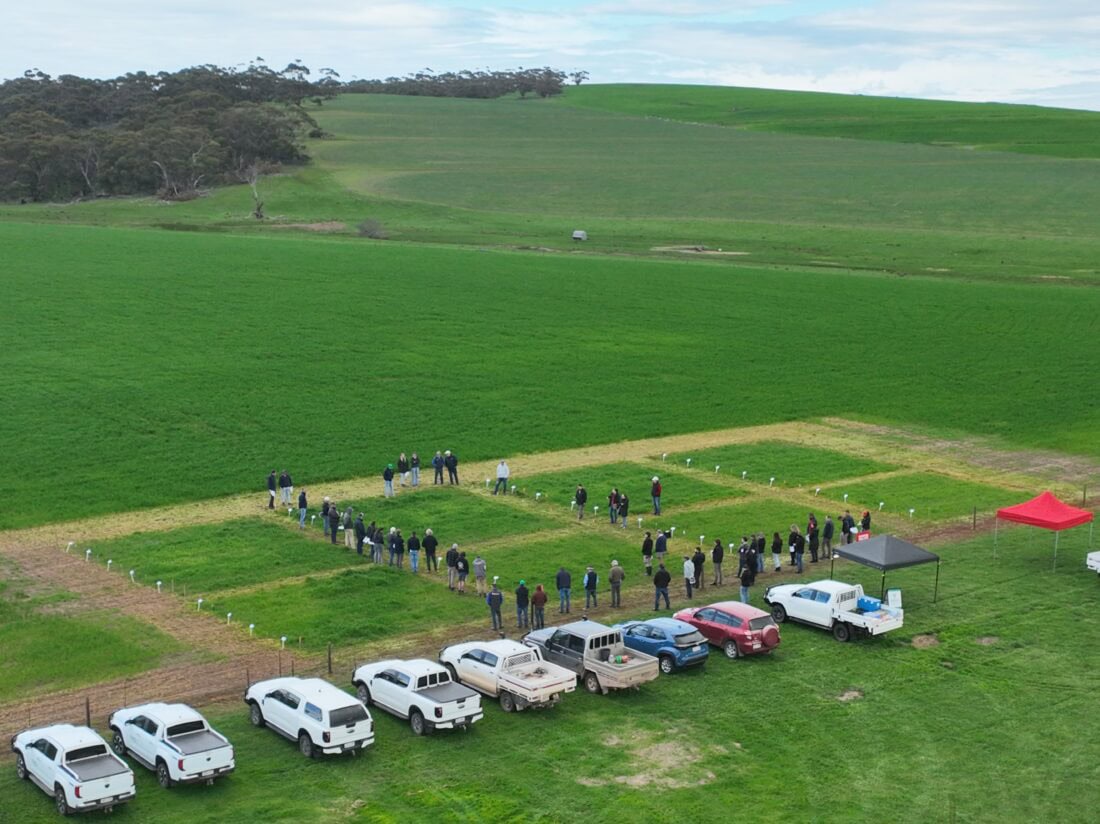
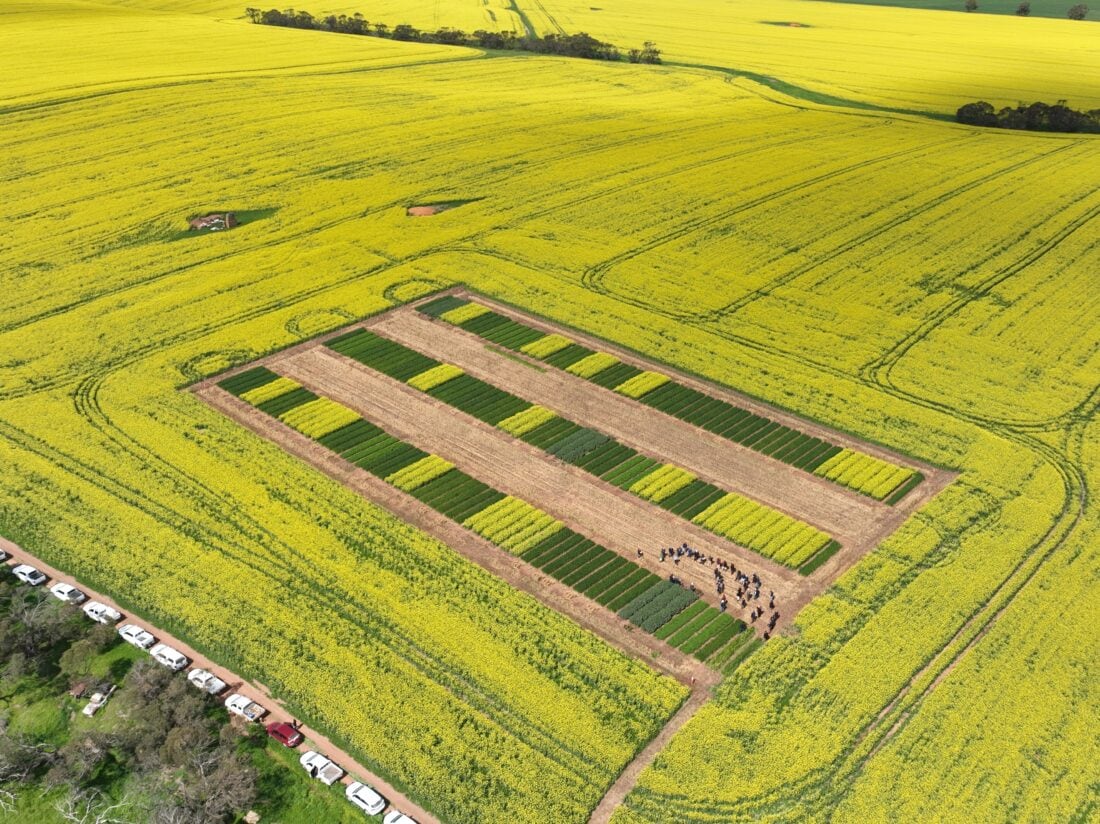
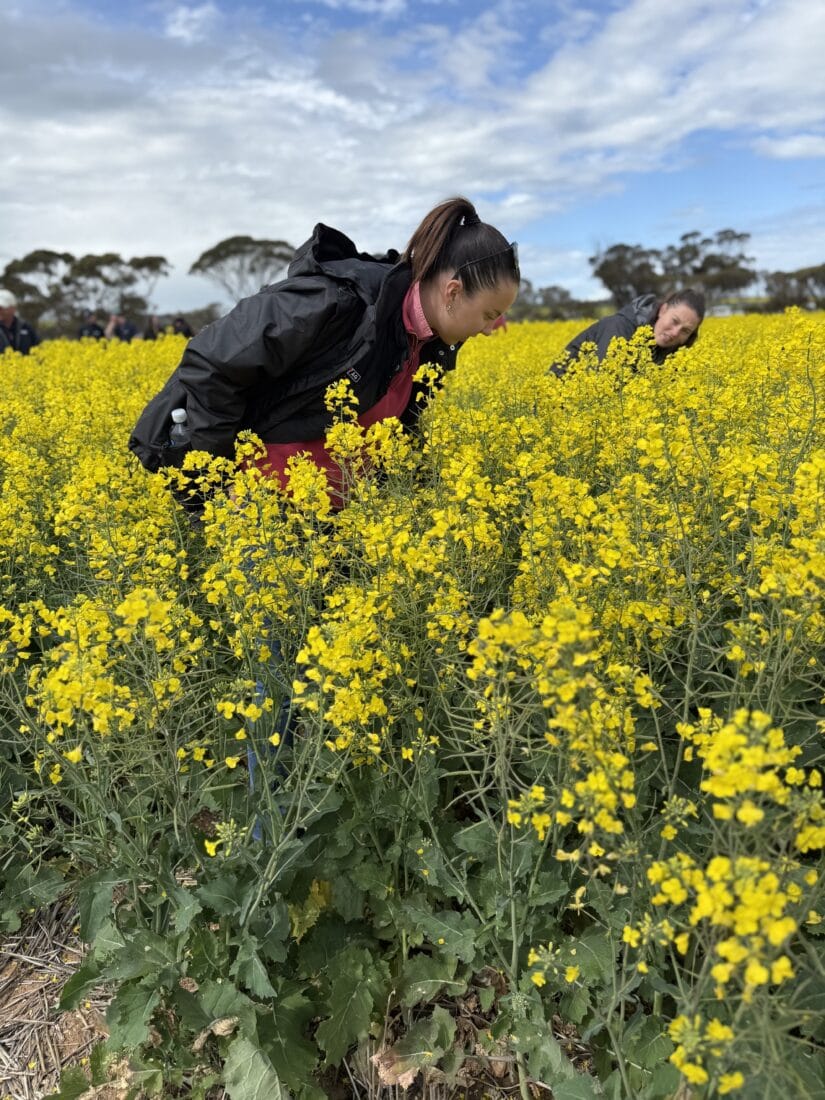
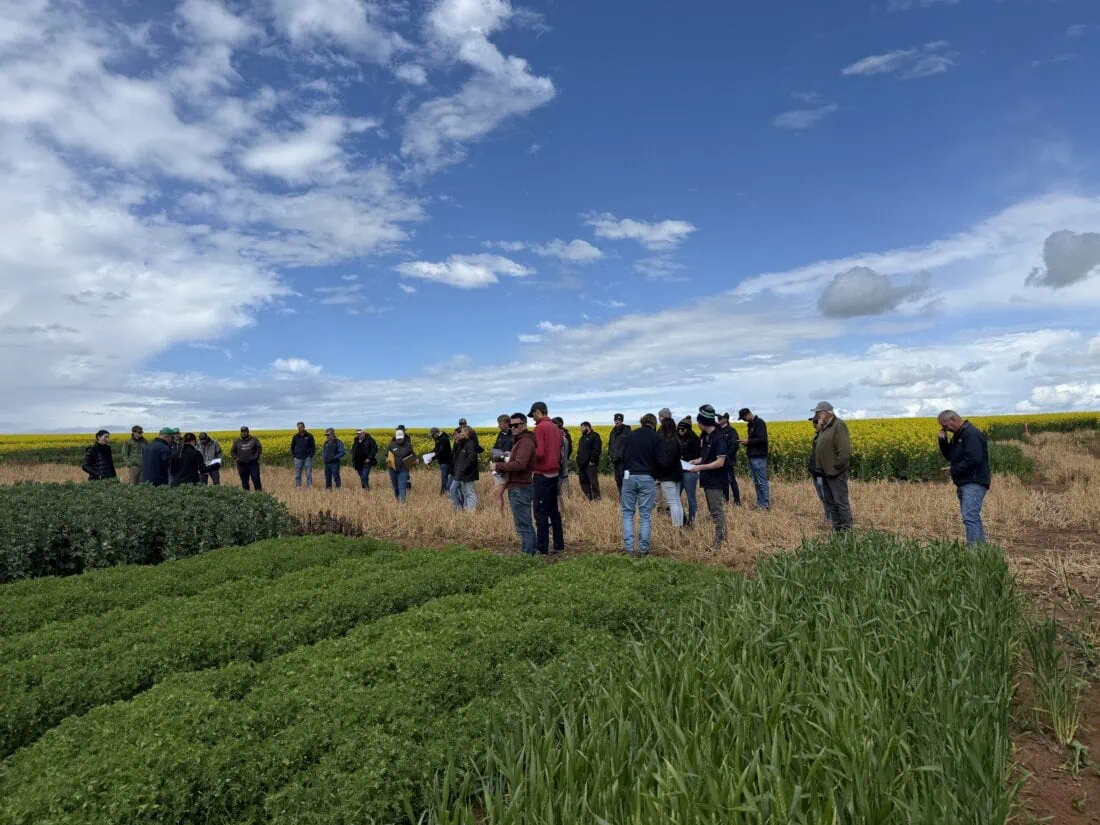
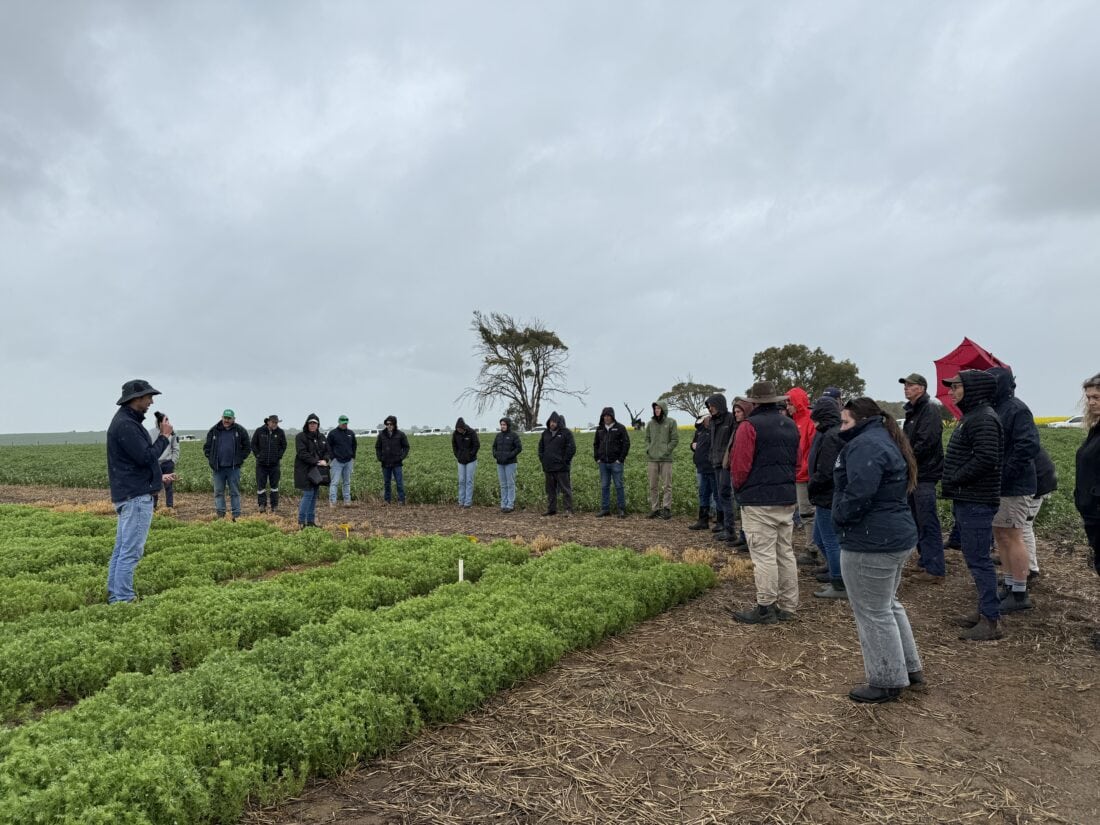
Over 50 farmers, agronomists, researchers and industry stakeholders braved the unpredictable weather on Tuesday 9 September for the 2025 AIR EP Lower Eyre Peninsula Crop Walk, visiting trial sites at Yallunda Flat, Cummins, Edillilie, and Coulta. From a chilly morning to sunny lunch and a wintery afternoon, the crowd experienced almost every season throughout the day – but the agronomic insights made it well worth the journey.
Trials Explored
Participants received updates from leading researchers, who presented their trial findings from the following projects being undertaken across the Lower EP.
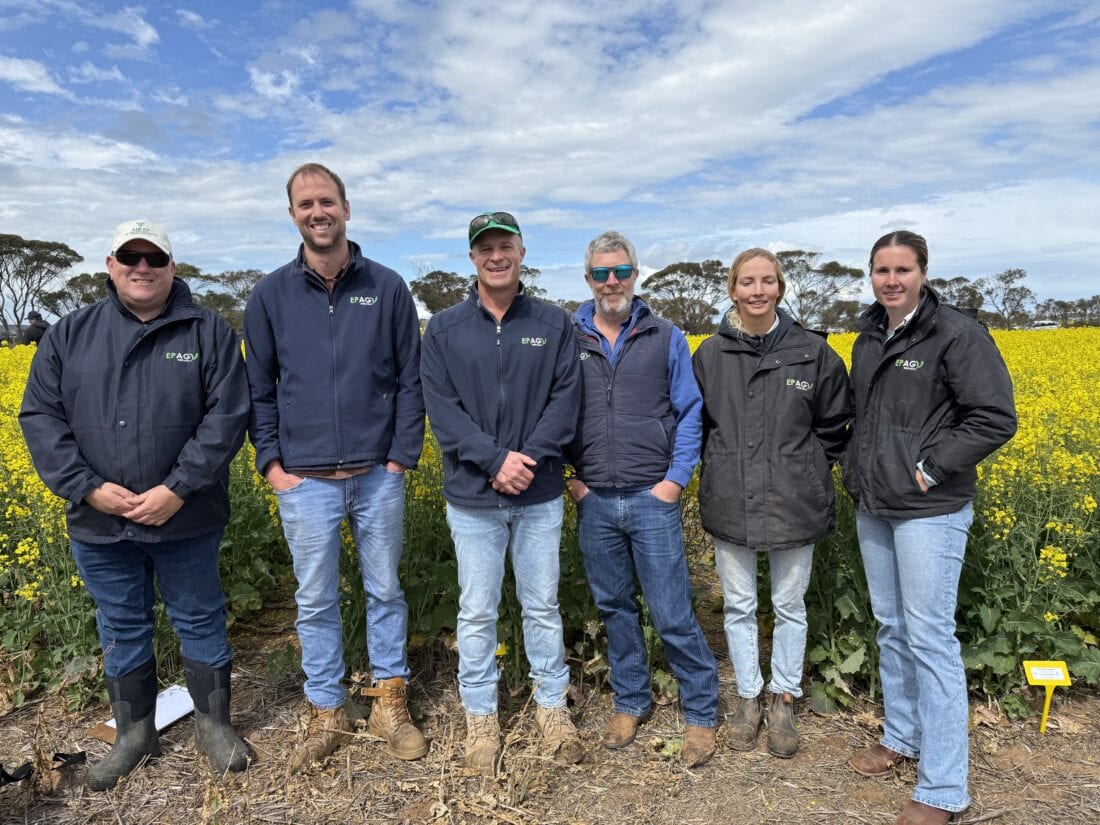
- Enterprise choice & sequence strategies for profitable southern farming presented by Marayam Barati & Andrew Ware, EPAG Research
- National Weed Management Initiative presented by Dr Jenna Malone & Peter Boutsalis, Uni of Adelaide and Chloe DuBois, Elders Agronomy
- Herbicide residues on challenging soils presented by Brian Dzoma, SARDI
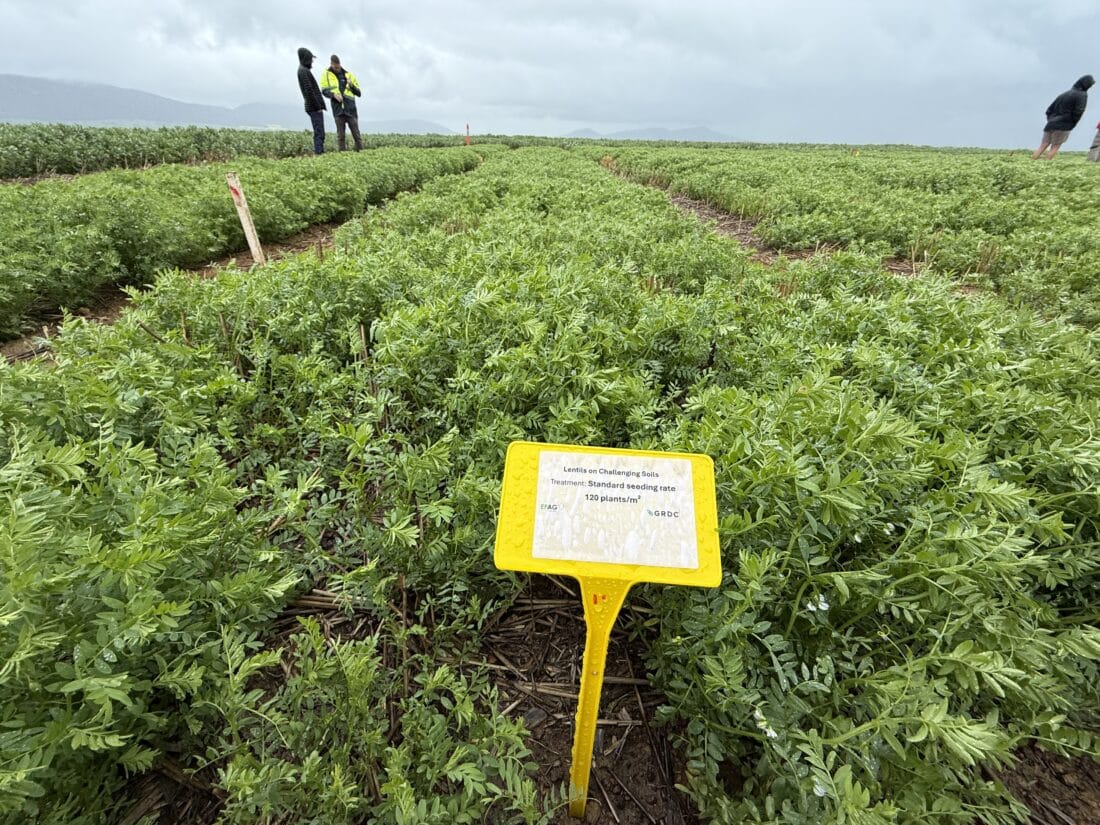
- Establishing and growing lentils on EP’s tougher soil types presented by Jake Giles, EPAG Research
Thank you to Geraldine Turner, Landscape Officer, who commenced the day with a detailed overview of the South African Weed Orchid (Disa bracteata) – an environmental weed not previously reported on Eyre Peninsula. For further information on pest plant species, simply visit the Eyre Peninsula Landscape Board website.






Key Agronomic Messages
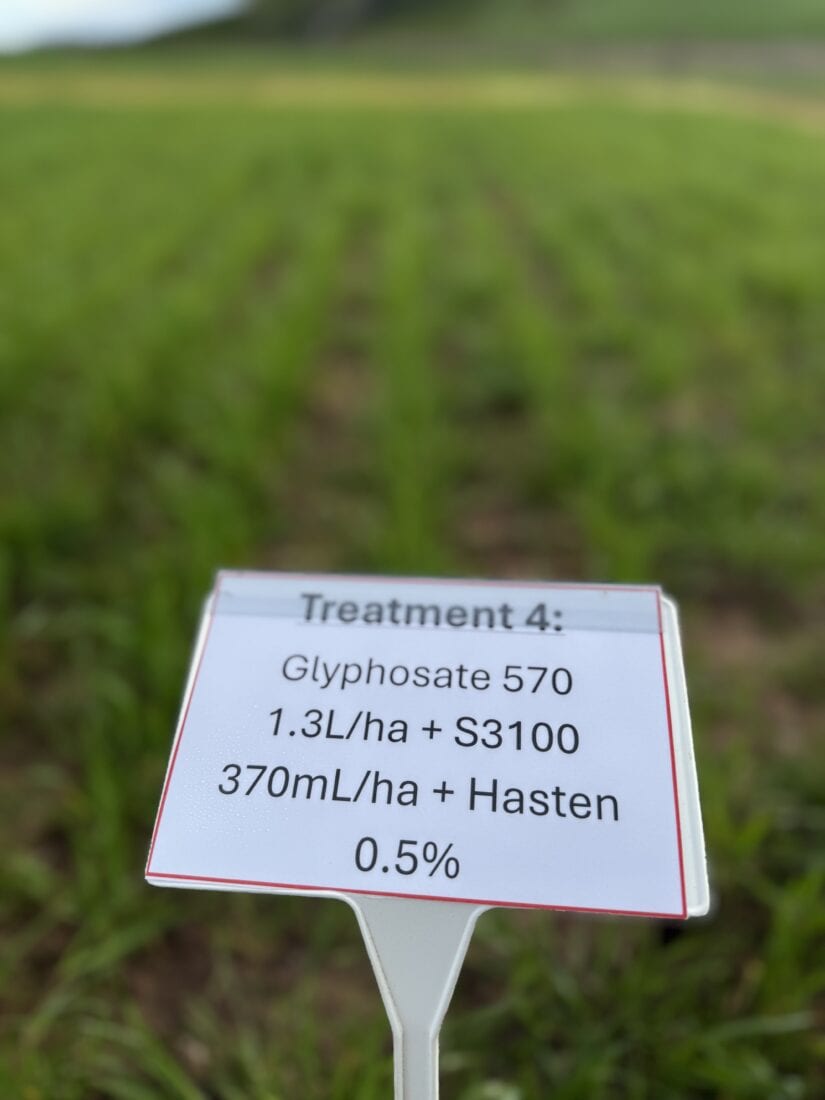
Ryegrass Knockdown Alternatives – Dr Jenna Malone, Peter Boutsalis and Chloe DuBois
Jenna, Peter and Chloe provided detailed updates on the trial site, herbicides treatments and their results, and subsequent strategies for Lower EP farmers in combatting herbicide resistance in ryegrass. Some of the key messages included:
- Incorporating other modes of action prior to sowing is important to keep the pressure of glyphosate.
- In the 2020 GRDC funded random weed survey in the lower EP, glyphosate resistance was detected in 15% of ryegrass samples.
- Glufosinate with partner herbicides can be an effective alternative.
- Mixes with Group 14 herbicides improves its control.
It was highlighted to farmers, when using glufosinate, weather conditions when spraying are important to get the best possible results. For example, application is recommended when there is at least 50% humidity. Other factors to consider included:
- Warm temperatures speed up translocation
- Use high quality products from reputable companies.
- Apply on small weeds, best before tillering for grasses.
- Can improve control of 1-leaf ryegrass where glyphosate struggles.
- Use ammonium sulfate and a good quality MSO.
- Use at least 100L/ha water volume.
To effectively manage resistant ryegrass, farmers should utilise the following strategies:
- Understanding the resistance status of your rye grass is an important strategy to understand the best way to manage it
- Timing of double knocks (not too early, not too late) is important to achieve the best results
- G14 (PPO inhibitors) are not replacement chemicals for glyphosate or paraquat but certainly assist the knockdown chemistries when targeting rye grass
- Targeting rye grass when its smaller and not under stressed conditions will lead to better overall results
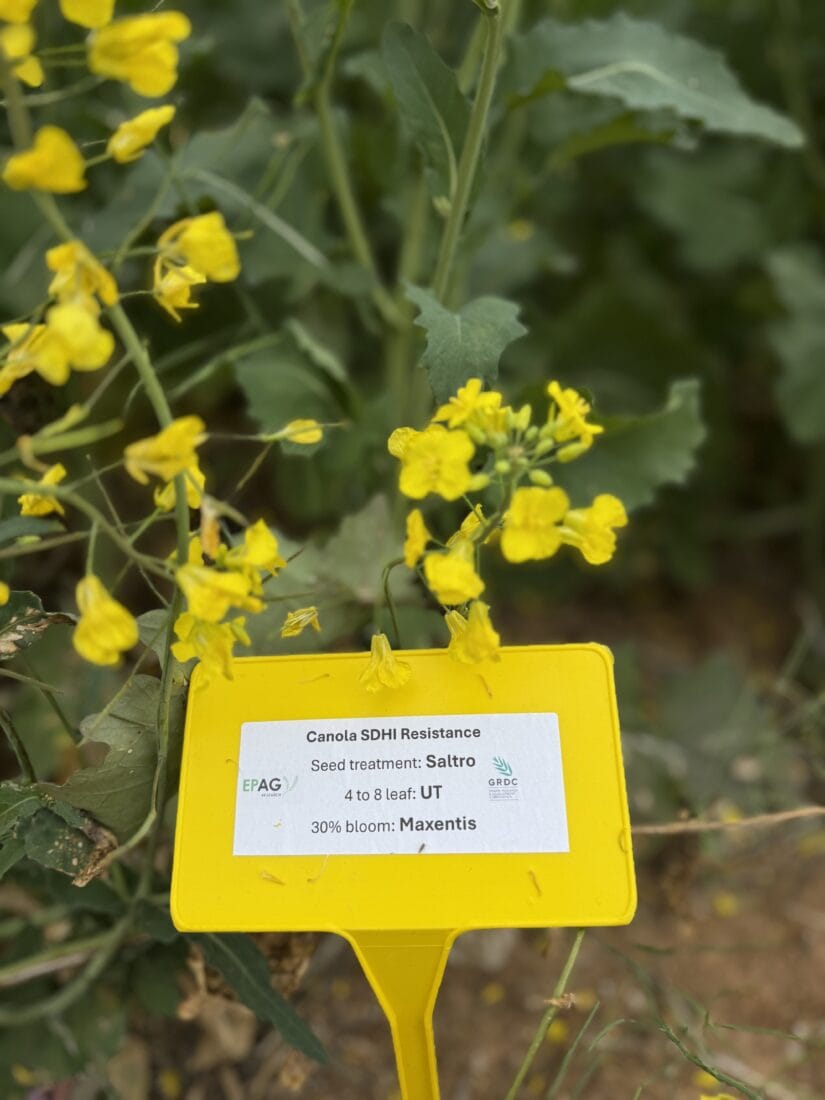
Fungicide Resistance in Canola – Andrew Ware, EPAG Research
Andrew presented an update on the SDHI resistance in blackleg in Canola, which generated much discussion with the group. Key messages included:
- The Lower Eyre Peninsula remains the only region in Australia where SDHI fungicide resistance in canola has been recorded.
- Preliminary testing of stubble collected in early 2025 (from the 2024 harvest) shows an increase in the number of paddocks where SDHI resistance has been detected compared with the previous survey.
- Practices such as early-season foliar fungicide applications (at the 4-6 leaf stage) have likely accelerated the development of resistance.
- Future blackleg management strategies will need to incorporate approaches beyond fungicide use.
- Options such as varietal resistance and reduced planting intensity should be considered, as rising levels of resistance to both SDHI and DMI fungicide groups are increasing the risk of product failure in the region.
- Even if fungicide products fail, complete crop loss from blackleg is unlikely (unlike the situation in 2022 when the Sylvestris gene was overcome in the region).
- Most commonly grown varieties possess reasonable levels of quantitative disease resistance.
- While plants may still show symptoms (such as leaf lesions), this form of resistance slows the disease’s progression within the plant, enabling crops to continue producing grain.
Special thanks to our speakers and each of the farmers hosting trials, for assisting in the co-ordination of the day and allowing us to visit the sites. And many thanks to all who attended and contributed to a productive and insightful day. Stay tuned for future field days and updates via the AIR EP Website
Additional thanks to our 2025 Sponsors for their ongoing support, which enables us to host events such as these.

Photo Gallery