Event Recap | AIR EP ‘Tight Budgets, Big Yields’ Member Days – Know Your Numbers, Simplify Your System
With much needed rain falling across the majority of Eyre Peninsula over the weekend, it’s nice to see weight lift off the shoulders of our communities. Moisture really does marvellous things when you think about it.
The lawn comes back to life. Livestock get a much-needed wash. Dirt roads finally see a grader or two. And you genuinely feel fresher.
Actually, I tell a fib. The humidity made things uncomfortably sweaty, and I remembered why Darwin was never on my holiday “bucket” list.
Weeds…well let's not talk about them just yet.
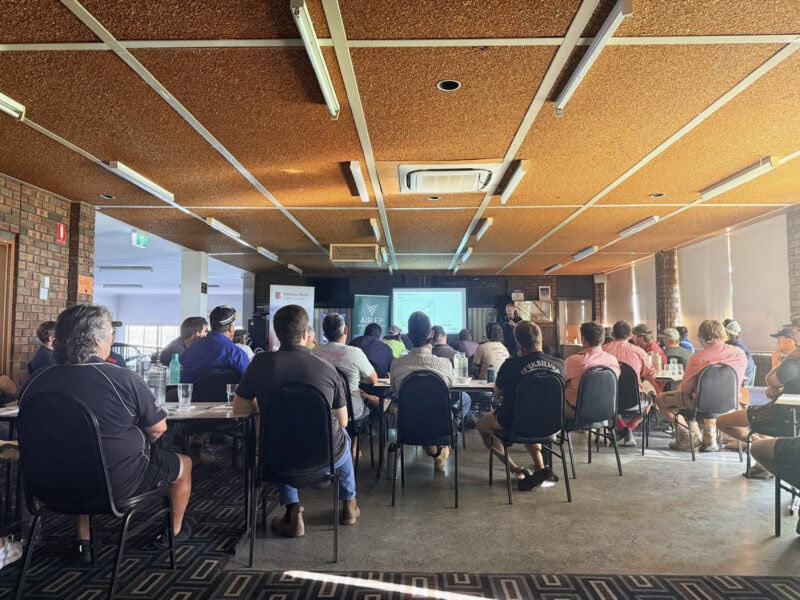
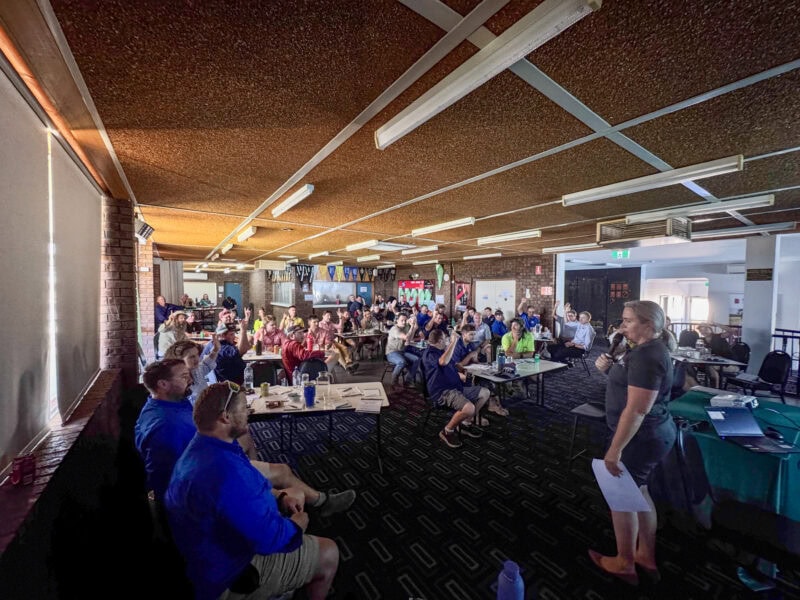
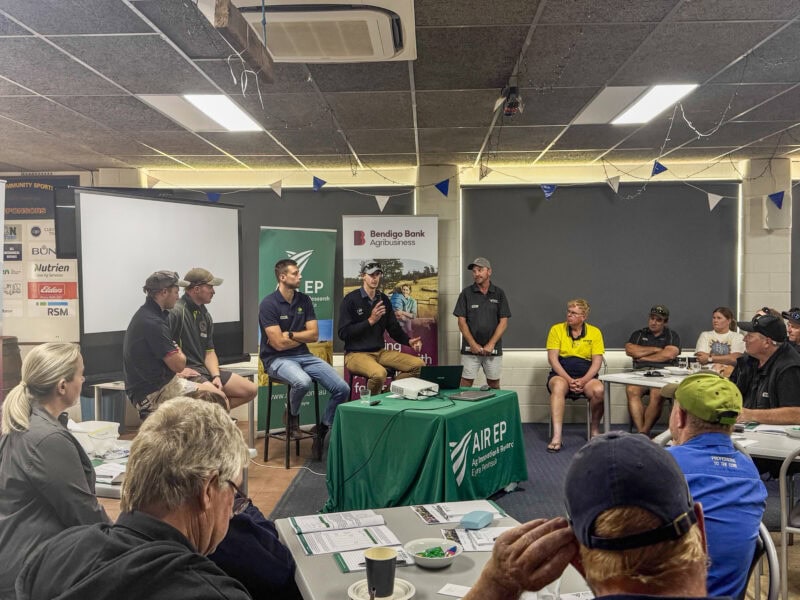
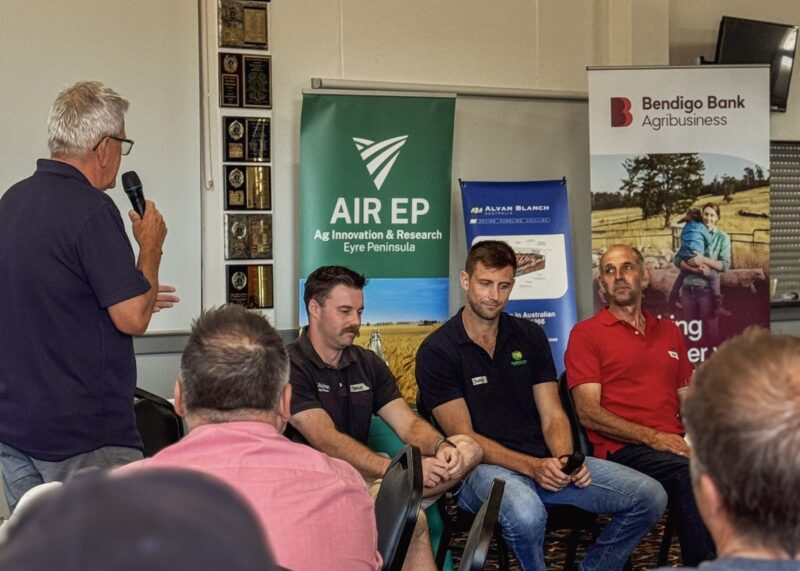
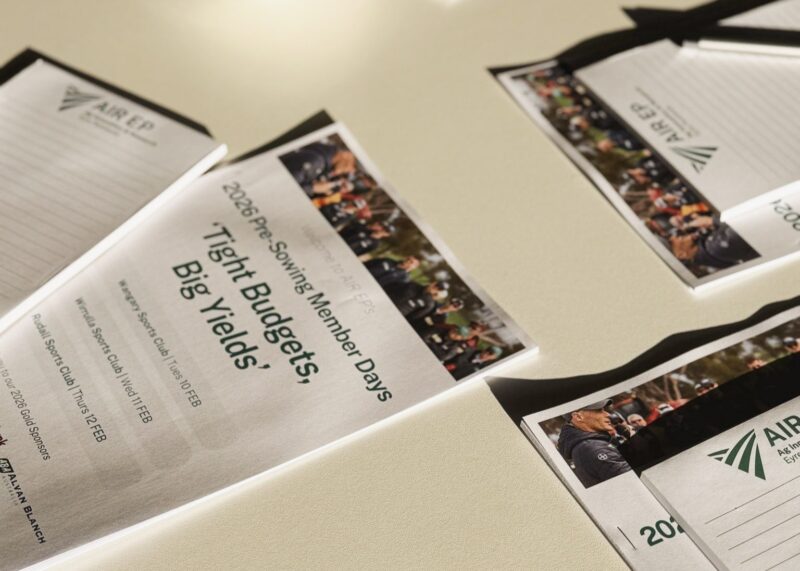
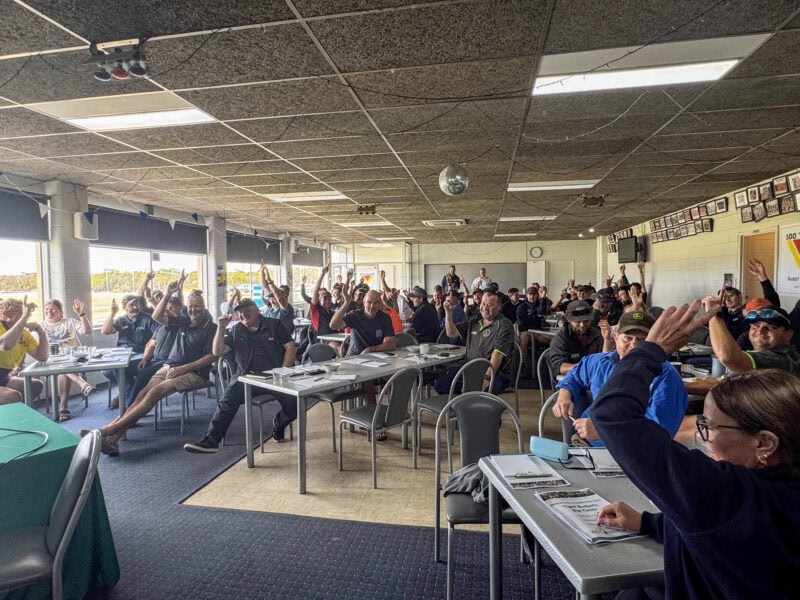
Over 180 farmers, advisers, researchers and industry representatives recently attended the 2026 AIR EP ‘Tight Budgets, Big Yields’ Member Days, with the three-day series focused on one pivotal question:
How do we make better decisions in tight seasons, with tighter margins?
It’s an easy question to forget when it rains though, isn’t it?!
Across all locations, Wangary, Wirrulla and Rudall, the recurring theme was clear — focus on your controllables. Know your numbers. Be strategic with nutrients. Simplify where possible. And keep chasing the small 1% improvements, for long term gains.
The AIR EP team opened each event with an interactive session, asking the audience to note their biggest ‘win’ and ‘challenge’ for 2025.
Across all sites, the season had been challenging for farmers - marked by low and patchy rainfall, tight grain prices, and rising input costs. Despite this, many farm businesses achieved results that met or exceeded expectations due to solid yields, strong management and timely decision-making.
Common ‘wins’ included:
- Yields exceeded expectations in many cases
- Soil amelioration delivering measurable returns
- Increased water use efficiency
- Limited frost impact
- Strong canola performance
- Improving sheep prices
Shared challenges across the region included:
- Commodity price pressure
- Rising input costs
- Late seasonal breaks
- Weed resistance and herbicide timing complexity
- Establishment challenges in dry/windy conditions
Consistent messages
Despite local nuances, several strong themes carried right across Wangary, Wirrulla and Rudall.
-
Agronomy & 2025 Seasonal Takeaways - Andrew Ware (EPAG Research)
Key agronomic messages:
- Grain number remains critical heading into the critical period for crop yield.
- Early sown barley with moisture had the edge — but delayed sowing shifted advantage back to wheat.
- Good agronomy doesn’t always cost more, but you cannot afford poor agronomy.
- Managing blackleg and SDHI resistance requires measured, not prophylactic, fungicide use
There was strong interest in how much flexibility growers really have with nitrogen timing, crop selection and sowing windows in dry starts.
“Once you’ve left the paddock with the seeder, you’ve spent around 80% of what you’re going to spend for the season. The only levers left are a little bit of weed control and a little bit of nitrogen.”- Andrew Ware.
-
Phosphorus strategy is getting smarter – Sam Trengove, Trengove Consulting
Sam challenged growers to think about what is economical, not just what grows biomass.
Key insights:
- Colwell P may overestimate plant-available P – DGT-P is a better measure in soils with calcium carbonate
- NDVI and pH layering can improve decision-making
- Optimum P rates generally sit in the 20–30 kg P/ha range in responsive soils, economics need to be factored in, especially in low rainfall environments
- Legacy effects matter — under-applying in one year can suppress yield later
- Some soils respond strongly, others don’t — know your starting point
The consistent takeaway? Don’t chase blanket rates. Diagnose first.
“The most important thing with P is knowing where you (levels) are when you start” – Jake Hull.
-
Lentils: Profitable Tool or High-Risk Hobby?
The message from each panel was clear: lentils can be transformational — but only when agronomy and system alignment are right.
Key messages:
- Global supply is high (Australia, Canada and India all strong)
- Prices have settled around the $600/t mark
- Demand remains, but volatility is real
- Lentils still stack up — if agronomy is sharp and rotations are respected
- Provide valuable disease break in cereal phase
- Sensitive to soil constraints (salt) and broadleaf weed pressure
As one grower at Wirrulla put it “Every management strategy you apply is trying to kill your lentils.” No pressure folks!
-
Eyre Peninsula market insights – Sean Hickey, Bendigo Bank Insights
- Global volatility – factors such as US tariff policies, shifting trade patterns, increased risk of conflict, and a rising Australian dollar - will continue to drive price uncertainty.
- Strong feed demand, particularly from China, is supporting barley prices. However ample global supplies are pressuring the wheat market. Similarly, canola demand is strong, but faces renewed competition from Canada.
- Farmland value growth is slowing due to the less favourable interest environment, tighter profit margins, and market volatility.
-
Business efficiency is non-negotiable – Royce Pitchford, Pinion Advisory
With cost variances of $50–$100/t between businesses, performance gaps are widening.
Efficient businesses tend to:
- Simplify enterprise mix
- Keep machinery investment balanced
- Maintain clear systems
- Optimise labour efficiency
- Plan machinery replacement long-term
- Review financials annually
It wasn’t flashy advice. It was disciplined advice. And discipline is what builds profit when prices won’t.
“We overestimate what we can achieve in one year, but underestimate what we can achieve in ten.” – Royce Pitchford.
-
The 1%’ers matter more than ever – Peter Kuhlmann, Mudamuckla
Core themes:
- Gratitude builds resilience
- Succession includes both ownership and operations teams
- Farming is your job — not your entire identity
- Long-term planning beats emotional reaction
- Mandatory 4 weeks holiday per year. Minimum 2 as a block off farm.
“Change will occur when the pain of staying the same exceeds the pain of staying the same.” – Peter Kuhlmann
Key Messages
- Know your numbers — don’t be afraid to take a deep dive
- Variable rate P has potential, but start with baseline data
- Long term nitrogen strategies are performing well
- Lentils are powerful — but only when the system supports them
- Simplify enterprise mix where possible
- Amelioration pays when the constraint is correctly diagnosed
- Small 1% improvements compound into major long-term gains
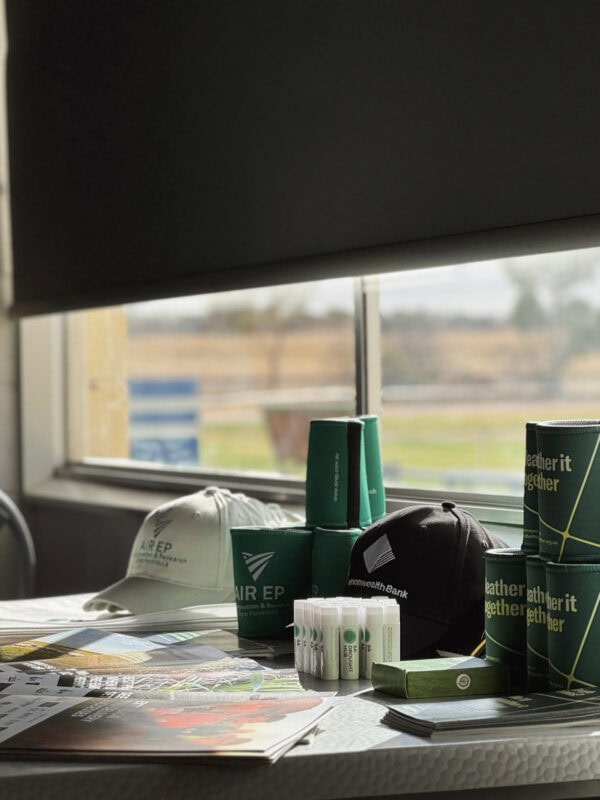
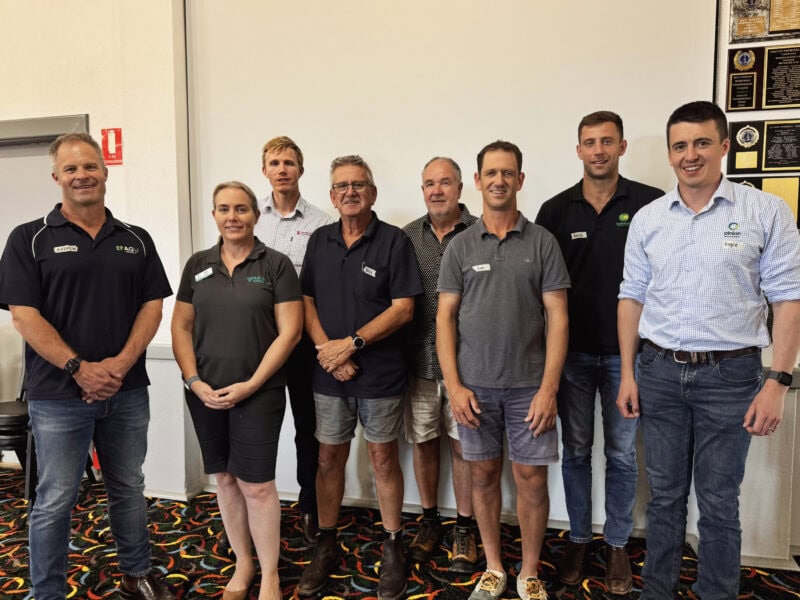
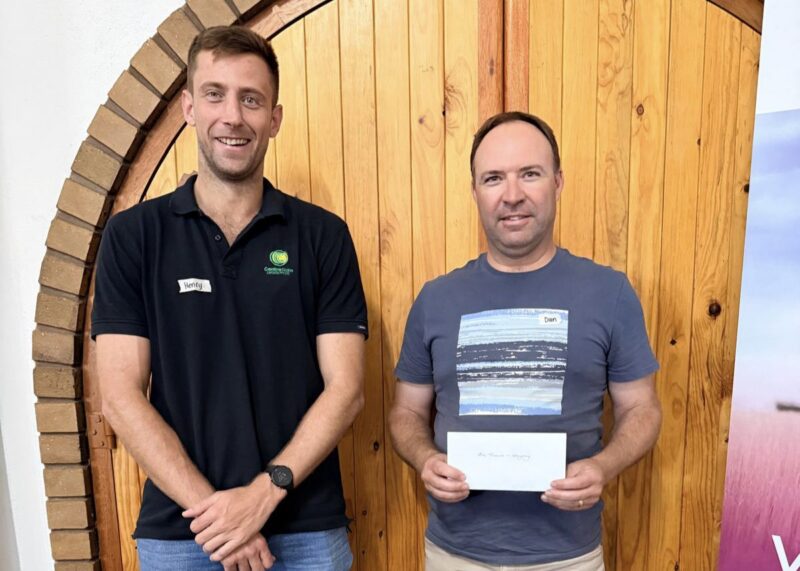
Photo Gallery
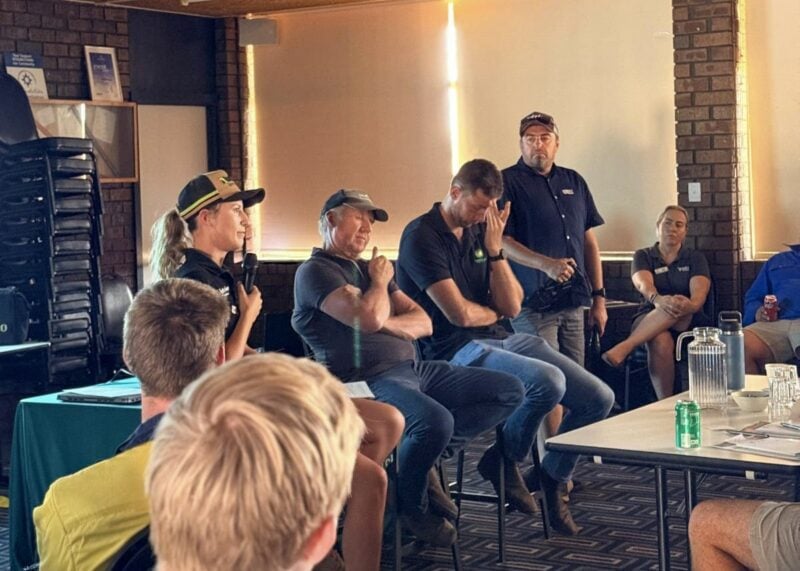

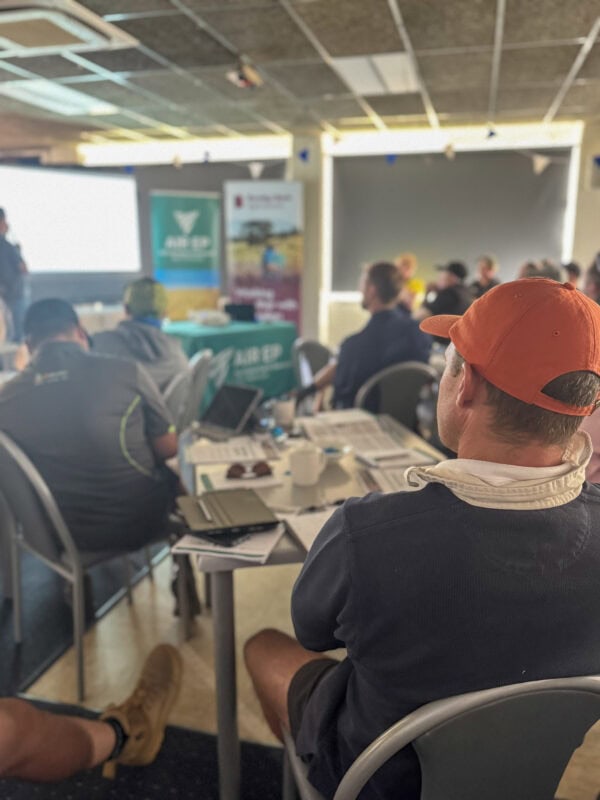
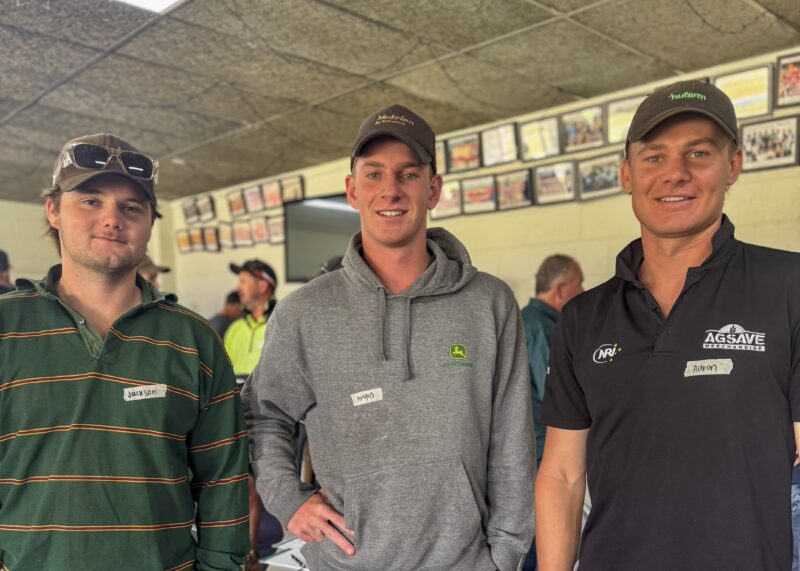
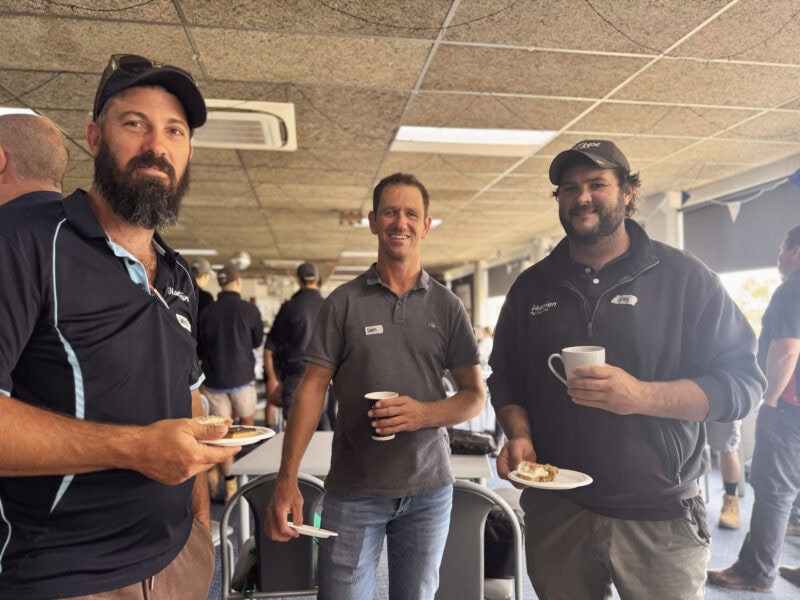
Actions for 2026
Majority of the actions farmers planned to implement following the sessions included:
- Improving time management & efficiency
- Conducting business review
- Focus on 1% gains that can be achieved
- Revise P rates and application
- Optimising changes to seasonal rotation strategies
In hindsight, it would be interesting to see whether any of the responses would be different had rain been received before the Member Days.
Cue the psychology of rainfall for farmers, and how it can completely change the lens by which we operate.
“The psychology of rainfall for farmers is a deeply emotional, often high-stakes, experience where precipitation is not merely a weather event but a primary driver of financial survival, mental health, and identity. For farmers, rain represents hope, relief, or, if in excess, anxiety and devastation, fundamentally shaping their decision-making and emotional state.” – true Google AI. Too true.
Looking ahead - Something to think about for your business
- Book a whole-business review with your adviser
- Review 5-year machinery and capital investment plans
- Conduct soil testing in suspected P-responsive zones
- Map pH and NDVI layers before finalising fertiliser strategy
- Revisit lentil paddock selection now — not in April
- Identify three realistic 1% changes to implement in 2026
Thank You
A sincere thank you to all presenters, panel members and facilitators including:
Andrew Ware, Sam Trengove, Sean Hickey, Royce Pitchford, Peter Kuhlmann, Henry Voigt, Bella Heron, Jake Hull, Marty Lovegrove and the many growers and advisors who openly shared their numbers and experiences.
Thank you also to our valued Members and Sponsors for your ongoing support of research and extension across the Eyre Peninsula.
And to the 187 attendees who engaged in robust, practical discussion — your questions are what drive better research and better decisions. For Members that were unable to attend this years events and would like a copy of the booklet, please contact our office.
In the meantime, let’s all keep our fingers firmly crossed that the next instalment of Dale Grey’s “EP Fast Break” Climate Updates delivers some positive precipitation prospects for 2026.
Acknowledgement
The AIR EP Member Day events were supported by the following projects: GRDC's RiskWi$e, Legume Extension, Lentils on Challenging Soils, the Australian Government's Future Drought Fund SA Discovery Farms.