Are your pastures hiding toxins this season?
Joining sheep in spring? Now is the time to check your pasture for hidden phyto-oestrogen toxicity
Record-breaking rainfall across the Eyre Peninsula has produced dense annual medic canopies, creating ideal conditions for foliar diseases like powdery mildew, to proliferate.
Annual medics often contain phyto-oestrogen like compounds such as coumestrol, but in relatively low levels. However, when the plant is stressed or infected with disease such as powdery mildew, this can cause coumestrol levels to spike significantly.
A medic pasture near Wudinna affected by powdery mildew was recently tested (early August 2026) by Southern Scientific Services laboratory in Hamilton, returning a coumestrol reading of 2,260 mg/kg dry matter (DM). This is over 90 times the accepted safety threshold of 25 mg/kg DM.
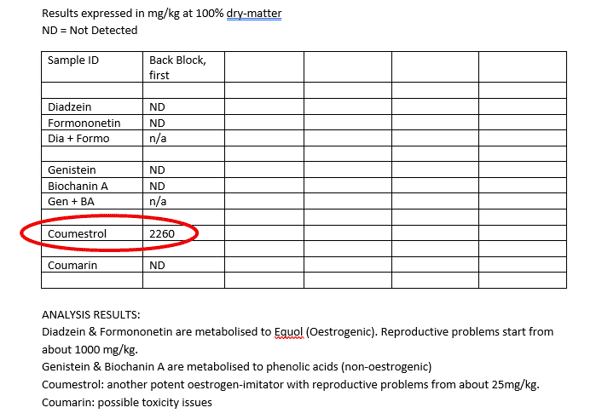
Image 1: Coumestrol reading from recent pasture medic samples taken near Wudinna.
Grazing breeding ewes on diseased, high-coumestrol pastures poses a direct threat to reproductive performance leading into joining.
But how is fertility impacted?
- Oestrus & Ovulation Suppression: Coumestrol mimics natural oestrogen and binds to reproductive receptors, disrupting hormonal signaling and causing suppressed oestrus, delayed ovulation, or failure to ovulate entirely.
- Reduced Conception & Embryonic Loss: Ewes mated while exposed to elevated phyto-oestrogen levels experience lower ovulation rates, poorer conception, and higher rates of early embryonic mortality and abortion.
- Long-Term Damage: At extreme concentrations, prolonged exposure can cause permanent anatomical changes to the cervix and reproductive tract in adult ewes, as well as lifelong fertility impairment in developing replacement ewe lambs.
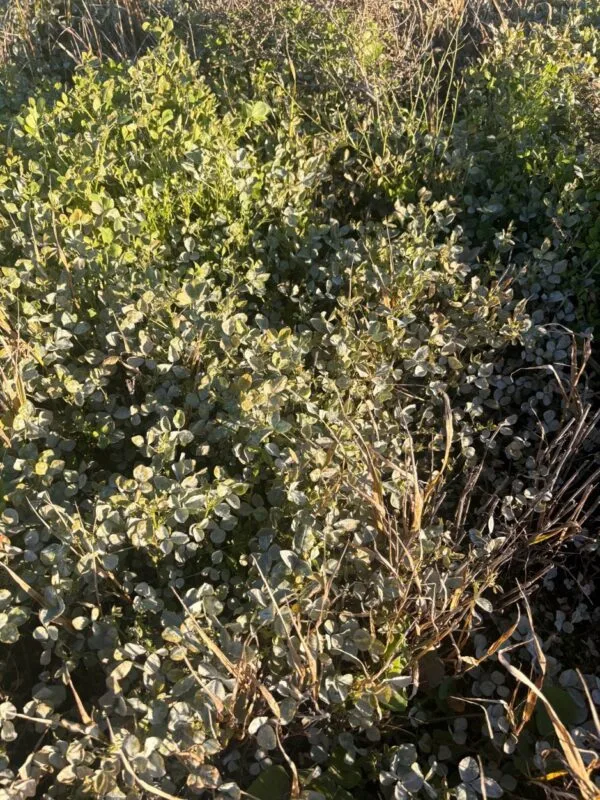
Image 2: Powdery mildew affected medic pasture near Wudinna that was analysed for phyto-oestrogen levels
Action for Producers
- Scout Medics for Disease: Look for white or grey powdery patches on leaves, yellowing foliage, and early leaf drop, especially within dense, humid lower canopies.
- Test Before Grazing: If fungal disease is present, treat the pasture as high-risk. Representative leaf and stem samples can be sent to Southern Scientific Services in Hamilton, VIC for coumestrol analysis.
- Manage Paddock Allocation: Shift breeding ewes and replacement ewe lambs off diseased or senescing medic pastures onto safe, non-legume feed (such as cereal stubbles or grass-dominant paddocks) well ahead of your joining date.
Resources:
Deb Scammell, Talking Livestock technical article Is grazing putting your ewes fertility at risk?
Contact:
Hannah Gordon, Livestock Coordinator – 0408 311 122