
Building drought resilience by scaling out farming practices that will enhance the productive capacity of sandy soil landscapes
Summary
This project will enhance the drought resilience of farmers who manage 3 million hectares of sandy soils in the low-medium rainfall landscape of southeast Australia.
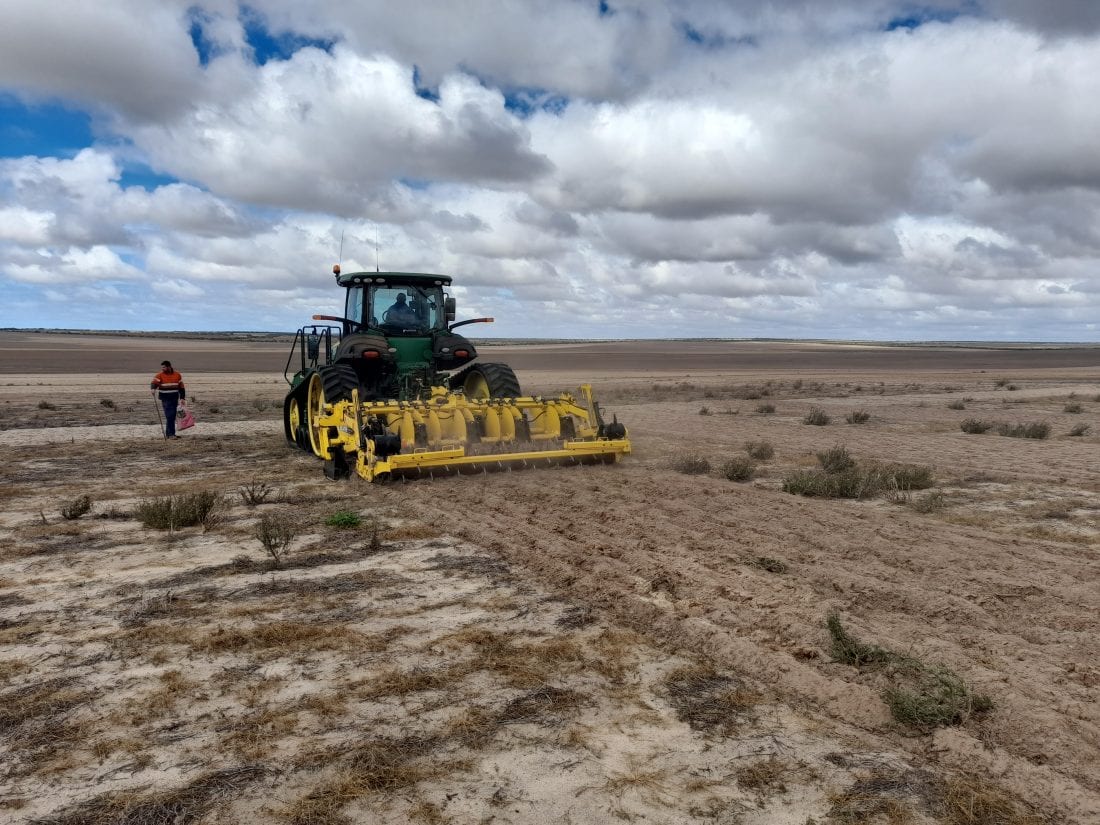
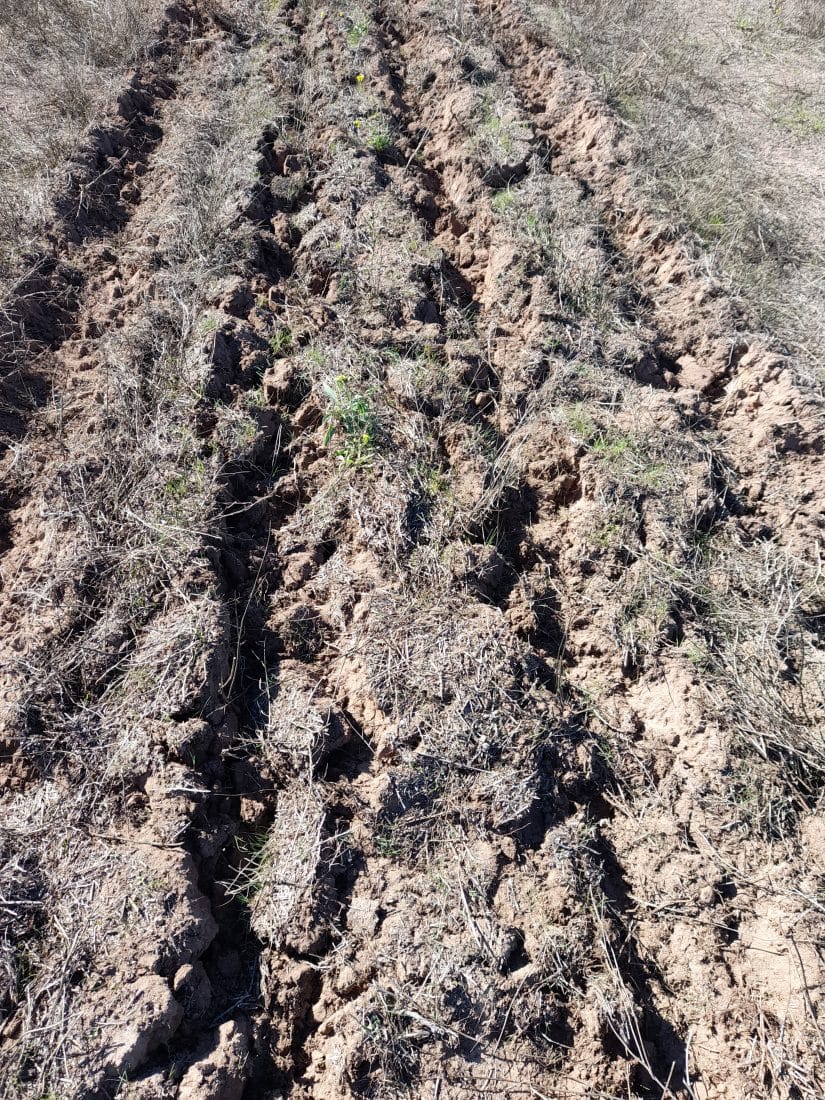
This will be achieved through the adoption of practices that enhance the productive capacity of sandy soils by overcoming constraints including water repellence & compacted layers that prevent root growth & access to moisture & nutrients.
Practices proven to work in small-scale trials will be scaled-out at 16 demonstration sites to build farmers’ confidence across an extensive landscape of the Eyre Peninsula, Upper Yorke Peninsula, Mallee & Southeast regions.
Case studies will be used to document outcomes from sites, with this information extended directly to 400 farmers through 17 events implemented by a consortium of grower groups. The project will also disseminate case studies using a digital extension hub & established social media networks to ensure maximum impact with farmers managing sandy soils across Australia.
Project partners:
The consortium is made up of 4 grower groups and a university:
- Ag Innovation & Research Eyre Peninsula (AIR EP)
- Mallee Sustainable Farming (MSF)
- MacKillop Farm Management Group (MFMG)
- Northern Sustainable Soils (NSS)
- University of South Australia
Delivery partners include:
- PIRSA
- GRDC
- CSIRO
- Frontier Farming Systems
- Trengove Consulting
- Soil Function Consulting
- Alluvio Pty Ltd
The project has been funded through the Future Drought Fund’s Drought Resilient Soils and Landscapes grants program and the Grains Research & Development Corporation, and is supported by the SA Drought Resilience and Adoption Hub.
Useful resources:
CASE STUDIES
A series of 16 case studies have been produced by this project, with farmers located across south eastern Australia.
Case study 1: Venning, Bute, Yorke Peninsula SA
Case study 2: Venning, Bute, Yorke Peninsula SA
Case study 3: Skeer, Wattle Range, South East SA
Case study 4: Hurrell, Naracoorte, South East SA
Case study 5: Ranford, Arno Bay, Eyre Peninsula SA
Case study 6: O'Brien, Kyancutta, Eyre Peninsula SA
Case study 7: Williams, Streaky Bay, Eyre Peninsula SA
Case study 8: Dolling, Kielpa, Eyre Peninsula SA
Case study 9: Oswald, Mt Damper, Eyre Peninsula SA
Case study 10: Daniell, Poochera, Eyre Peninsula SA
Case study 11: Gosling, Yaapeet, Mallee Vic
Case study 12: Cowangie, Mallee Vic
Case study 13: Stephens, Younghusband, Mallee SA
Case study 14: Grant, Chinkapook, Mallee Vic
SOILS HUB
Check out the Soils Hub to view 3D virtual soil pits and handy videos that describe how to easily test for soil constraints in your own paddocks. There are soil pits from across south eastern Australia.
FACT SHEETS
A series of fact sheets have been produced in an earlier GRDC funded project: Increasing production on sandy soils in low and medium rainfall areas of the Southern Region, GRDC Project CSP00203.
Seeding sandy soils - Managing water repellence at seeding: moisture access strategies
Soil wetter - Managing water repellence at seeding: soil wetting agents
Inclusion ripping technology - Understanding passive inclusion ripping
Ripping technology - Technology considerations for cost-effective subsoil loosening
Check out the Sandy Soil App produced as part of the GRDC Sands Impact project, for all the trial results across all sites and regions.
Project Summary
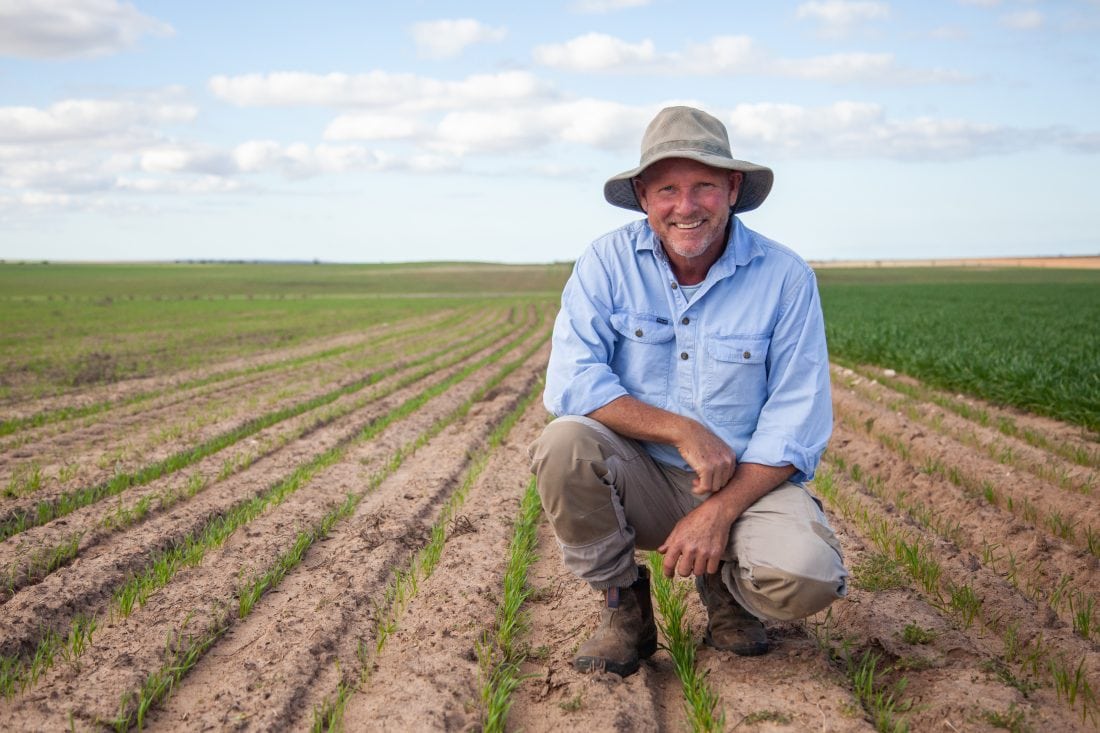
This project aimed to enhance the drought resilience of farmers who manage 3 million hectares of sandy soils across the low-medium rainfall landscape of southeast Australia. This has been achieved through the adoption of practices that enhance the productive capacity of sandy soils by overcoming constraints including water repellence and compacted layers, that prevent both root growth, access to moisture and nutrients. Practices proven to work in small scale trials were scaled out at 16 demonstration sites to build farmers’ confidence across an extensive landscape of the Eyre Peninsula, Upper Yorke Peninsula, Mallee and Southeast regions. The sites were monitored throughout the project with data collected to determine the effectiveness of different practices.
16 case studies were developed to document outcomes from sites. The project engaged directly with 1638 people attending 52 extension events including Sandy Soil Masterclasses, crop walks, field days, research updates and workshops across the project area. Indirect engagement occurred with 79,795 people across the project footprint via 56 communications materials, including research articles, digital platforms (Agriknow, Soils Hub), various social media platforms and pages, e-newsletters and media articles.
The project was delivered by a consortium of grower groups (Ag Innovation & Research Eyre Peninsula, Mallee Sustainable Farming, MacKillop Farm Management Group and Northern Sustainable Soils) in conjunction with delivery partners PIRSA, Uni SA, Frontier Farming Systems, Trengove Consulting, Soil Function Consulting, CSIRO (technical support, masterclass delivery), Alluvio Pty Ltd (case study development) and Coutts J&R (monitoring and evaluation). The project was also supported with a cash contribution from Grains Research & Development Corporation to broaden the reach of the extension program.
The project was managed by Ag Innovation & Research Eyre Peninsula, hosting bi-monthly online project team meetings to keep everyone updated and on track, as well as annual face to face meetings to share results and build capacity within the project team. This project also collaborated with two other Future Drought Fund projects: Building drought resilience with landscape scale remediation of saline land (Soil and Landscape program) and Robust ground cover to enable resilient low rainfall mixed farms (FDF Innovation program) to reduce duplication and maximise resources.
In terms of project effectiveness, 85% of all participants indicated they had changed the way they manage their farming practices to better manage sandy soils. Farmers indicated that many of their sandy soil constraints had improved or stopped getting worse after participating in the project. Examples provided included changes to delving, deep ripping, and liming rates or techniques that resulted in increased yields and improved ground cover. Farm trials/demos were the most used and useful source of information for farmers, with 100% agreeing (85% strongly agreeing) that viewing on-farm trials and demos in their neighbourhood is essential in evaluating and adopting new practices. All farmers agreed that the on-farm research linked to this project seemed to offer some practical solutions for managing low production sandy soils on their farm, and all agreed there is significant opportunity to better manage soils on their farms in future. The project engagement with farmers through field days/sticky beak days was seen as a highly effective method of providing information. The networking opportunities provided by the project were valued, with most farmers finding the information they had gained from other farmers/neighbours and advisers highly useful, with 85% agreeing (23% strongly agreeing) that talking to other farmers about new farming practices is one of the most reliable sources of information.
This page was last updated on 31 October 2024.
You Might Also Like
On-Farm Weather Stations & Moisture Probe adoption
Expanding the reach and promotion of “Web Wednesday” by involving additional groups across a wider geographic area. Providing access to existing weather station set-up, maintenance & calibration resources, either via…
Far West Young Farmers – Drought Resilient Decision Making & Peer Learning Network
This project will support young farmers (18 to 35 years of age) in building resilience and improving decision-making in response to drought and seasonal variability. Through a series of peer-to-peer…
Water quality in extensive sheep grazing systems
Water quality factors such as total dissolvable salts, temperature, mineral composition, pH, and microbial load can differ between their sources. Further, run off from pasture herbicides and fertilisers may be…
Review of target values for soil performance indicators and their interdependencies
Complete a survey provided by Federation University identifying key factors and existing resources to support project implementation. This will include: • Identification and sharing of existing interpretation tables and assessments…
Eyre Peninsula internship in applied grains research 2027 (SA Drought Hub Contribution)
SA Drought Hub contribution towards grains research intern on EP for 2027, to be hosted by EPAG Research. This page was last updated on 17 June 2026.
Derisking the sowing program on EP – a comparison of different seeding systems and crops in 2026
The Minnipa Agricultural Centre operates two broadacre seeding systems. One is a tyne-based Horwood Bagshaw Precision Seeding System (PSS), the other is a RootBoot Razor, single disc hybrid system. The…
Eyre Peninsula internship in applied grains research 2027
To improve the capacity of grains research, development and extension in the Eyre Peninsula region through the employment of an annual intern within local research organisations in 2027. To further…
Soil CRC Adoption Activities
Soil CRC presentations at current group event Sandy Soils Amelioration day/half day with CSIRO Soil CRC presentations at current group event – MAC Field Day This page was last…
Plan 2 Profit upper EP 2026
Targeted at younger farmers on upper EP, this project aims to train a minimum of 10 farm businesses to: – Improve farm business financial literacy – Set goals and develop…
Risky Business Workshops for EP 2026
The “Risky Business” game to be delivered in person at 3 locations on EP, tentatively Wudinna, Rudall and Wirrulla (TBC). Up to 30 participants per workshop. Aim of improving understanding…